
Printing parts that fit
Tolerances, fits and draft angles: the design intent that survives the gap between the screen and the print bed.
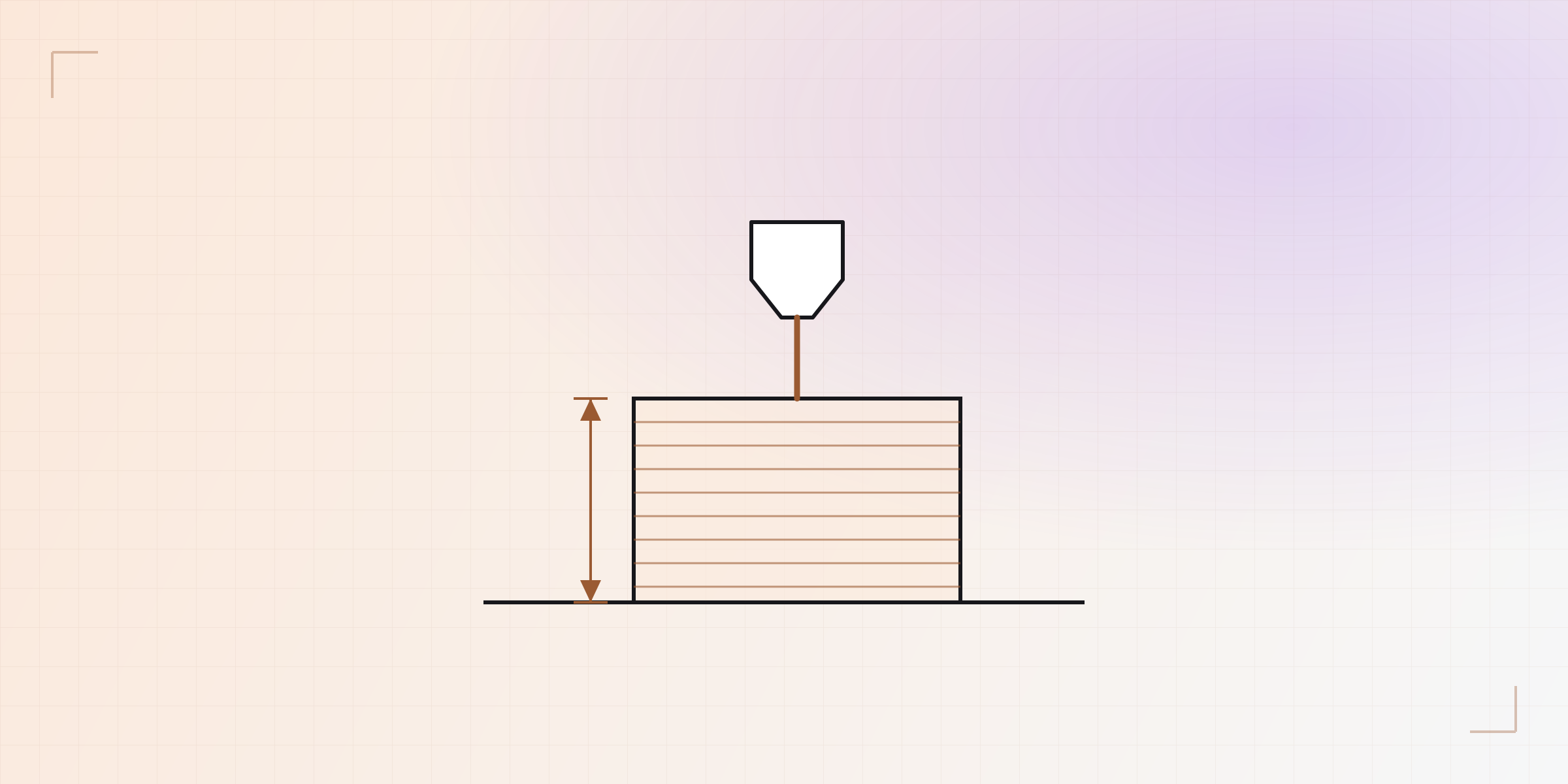

Designing for FDM
4 articlesHow molten plastic actually stacks up: orientation, overhangs and the wall-and-infill choices that decide whether a part prints clean.

Tolerances and fits
4 articlesClearance, transition and interference fits, and the real-world gaps that make printed parts slot together.

Strength and structure
4 articlesWhere FDM parts break and how to stop them: layer adhesion, ribs, living hinges and shedding weight without losing stiffness.

Threads, fasteners and hardware
4 articlesThreads, heat-set inserts, captive nuts and snap-fits: joining printed parts to hardware that actually holds.

From model to print
3 articlesFrom a finished body to a clean print: exporting, print settings and a first layer that sticks.

Validate before you print
2 articlesProve it before you commit filament: print test coupons and measure your way to a part that fits.

When a print fails
7 articlesRead a failed part like evidence: what each defect is telling you, why FDM causes it, and the design and slicer fixes that stop it.